Palmetto Peptides
Research Grade QualityFast USPS Priority ShippingBPC-157 · TB-500 · Semaglutide · TirzepatidePremium Peptide StacksThird-Party Tested · COA Verified · Research GradeMade in the USAResearch Grade QualityFast USPS Priority ShippingBPC-157 · TB-500 · Semaglutide · TirzepatidePremium Peptide StacksThird-Party Tested · COA Verified · Research GradeMade in the USA

The GHRH Axis in Research: Growth Hormone Secretagogue Science Explained

Palmetto Peptides Research Team
May 14, 2026
ghrhgrowth-hormonegh-axissecretagogueresearch-science

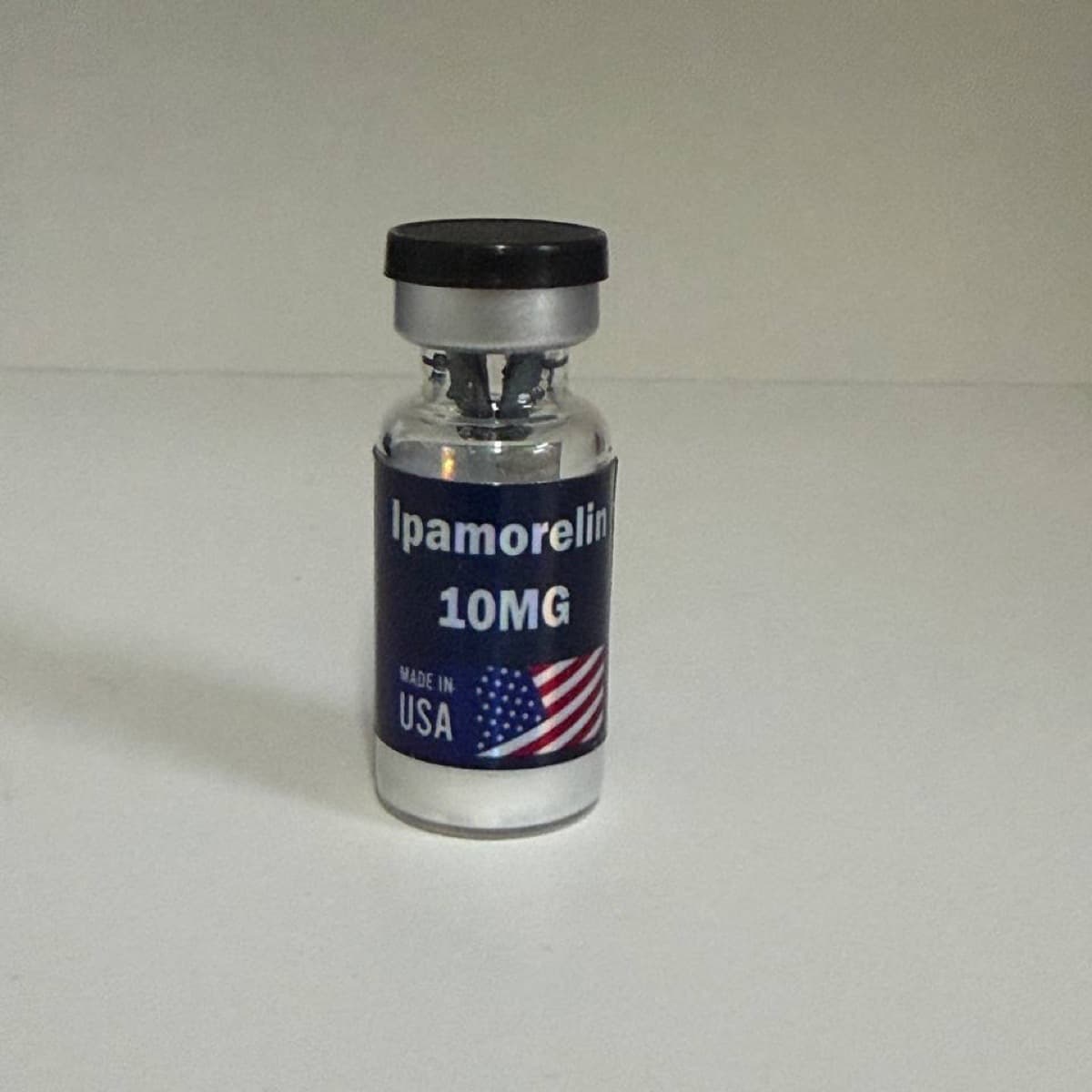
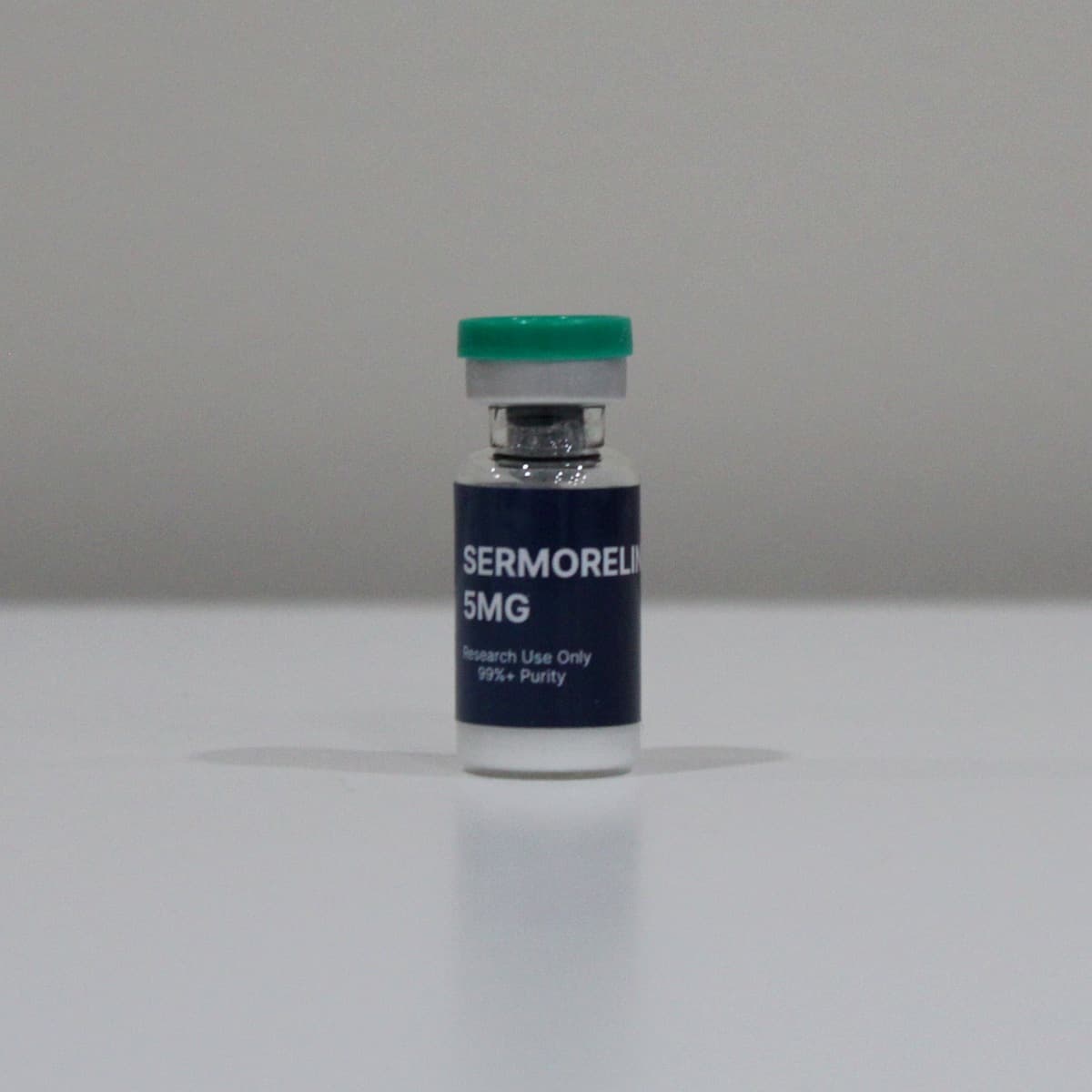
Research Notice: This article covers research on Ipamorelin, Sermorelin, CJC-1295 No DAC, and Hexarelin — available from Palmetto Peptides for laboratory use only.


DISCLAIMER: This article is for educational and scientific research reference purposes only. All compounds discussed are not approved by the FDA for use in humans or animals. All data discussed here reflects preclinical animal research. Palmetto Peptides sells these compounds exclusively for in vitro and preclinical laboratory research. Nothing in this article constitutes medical advice.


The GHRH Axis in Research: Growth Hormone Secretagogue Science Explained

Last Updated: May 14, 2026 | Reading Time: Approximately 10 minutes | Author: Palmetto Peptides Research Team


Quick Answer

The GHRH-GH-IGF-1 axis is the primary endocrine pathway governing growth hormone secretion and its downstream anabolic and metabolic effects. Hypothalamic GHRH stimulates pituitary somatotrophs to release GH in discrete pulses, which drives hepatic IGF-1 production. Research peptides including Sermorelin and CJC-1295 No DAC mimic GHRH to stimulate this pathway at the receptor level, while GHRPs like Ipamorelin and Hexarelin act through a separate ghrelin receptor pathway to amplify and augment GH secretion. Understanding this axis is foundational to interpreting any GH secretagogue research.


The GHRH-GH-IGF-1 Axis: Architecture and Regulation

Growth hormone (GH) secretion is regulated by one of the most extensively studied neuroendocrine axes in biology. Its core components — GHRH, somatostatin, GH, and IGF-1 — interact through both neural and endocrine feedback loops to produce the characteristic pulsatile pattern of GH secretion that is critical for normal growth, body composition regulation, and metabolic function.

The axis originates in the hypothalamus, a brain region that receives inputs from the sleep-wake cycle, metabolic status sensors (glucose, free fatty acids, leptin, ghrelin), and higher cortical and limbic areas. Two hypothalamic peptide-secreting neuronal populations are central to GH axis regulation:

GHRH neurons (located primarily in the arcuate nucleus of the hypothalamus) release GHRH into the portal circulation of the median eminence. GHRH travels through the hypothalamo-pituitary portal vessels — a specialized circulatory system connecting the hypothalamus to the anterior pituitary — and binds GHRH receptors (GHRHR) on somatotroph cells in the anterior pituitary. GHRHR is a Gs-coupled GPCR; its activation elevates cAMP in somatotrophs, which through PKA phosphorylation events triggers the exocytosis of GH-containing secretory granules and stimulates GH gene transcription for replenishment of the secretory pool.

Somatostatin neurons (located in the periventricular nucleus of the hypothalamus) release somatostatin (also called somatotropin release-inhibiting factor, SRIF) into the same portal circulation. Somatostatin binds Gi-coupled somatostatin receptors (SSTR1-5) on somatotrophs, inhibiting adenylyl cyclase and thereby opposing GHRH's stimulatory effect. GH pulses occur when GHRH tone is high and somatostatin tone is low — an oscillation driven by reciprocal inhibition between the two neuronal populations.

Ghrelin and GHSR-1a: The Third Input

The discovery of ghrelin in 1999 (by Kojima et al.) revealed a third major regulatory input to GH secretion — one that research into GHRPs (growth hormone releasing peptides) had predicted since the 1980s but whose endogenous ligand was not identified until then.

Ghrelin is a 28-amino acid acylated peptide produced primarily in the stomach's X/A cells (ghrelin-producing oxyntic cells), circulates in plasma, and binds GHSR-1a (growth hormone secretagogue receptor type 1a) — a Gq-coupled GPCR expressed on hypothalamic neurons and pituitary somatotrophs. Importantly, GHSR-1a has high constitutive activity (approximately 50% of maximum signaling even in the absence of ligand), making it sensitive to both agonists and inverse agonists.

Ghrelin's GH-releasing effect operates through two mechanisms: direct action at pituitary GHSR-1a to stimulate GH secretion, and action at hypothalamic GHSR-1a-expressing neurons to increase GHRH release and reduce somatostatin tone. This dual-level action means that GHSR-1a agonism amplifies GHRH-driven GH release rather than simply adding an independent GH-releasing signal — explaining why GHRP + GHRH combinations produce synergistic rather than merely additive GH output.

GH at the Pituitary: Somatotroph Physiology

GH is a 191-amino acid protein hormone synthesized and stored in somatotrophs, which make up approximately 50% of anterior pituitary cells. GH secretion is pulsatile — in rats and mice, 6-10 GH pulses occur per 24 hours, with pulse amplitudes that are strongly sex-dimorphic (higher amplitude, more widely-spaced pulses in males; more frequent, lower-amplitude pulses in females). This sex difference in GH pulse pattern has functional consequences for GH's downstream effects, including differential regulation of hepatic gene expression (which is pattern-sensitive rather than just GH-level-sensitive).

After secretion into the portal blood and subsequently the systemic circulation, GH binds GH receptor (GHR) — a class I cytokine receptor signaling through JAK2/STAT5 — in target tissues. The liver is the primary site of GH's endocrine action, producing IGF-1 in response to GHR activation. Skeletal muscle, bone, adipose, and other tissues also express GHR and respond directly to circulating GH, though the relative contributions of direct GH effects versus IGF-1-mediated effects vary by tissue and endpoint.

IGF-1: The Primary Anabolic Mediator

Insulin-like growth factor 1 (IGF-1) is produced primarily in the liver in response to GH signaling, but also in local tissues where it acts in an autocrine/paracrine manner. Hepatic IGF-1 production drives the systemic anabolic effects of GH — stimulating protein synthesis, skeletal growth, and lean mass accretion through IGF-1 receptor activation of the PI3K/Akt/mTOR pathway.

Plasma IGF-1 levels are used as a proxy measure of GH axis activity in research — they reflect integrated GH exposure over the preceding days (IGF-1 half-life is approximately 12-15 hours, much longer than GH's 15-20 minute half-life) and are easier to measure accurately than GH itself. In aged rodent models, IGF-1 levels decline substantially from young adult levels — a decline that GH secretagogue research is specifically designed to examine and potentially reverse.

Where Each Research Peptide Acts in the GH Axis

Peptide Mechanism Class Receptor Target Primary Site of Action Half-Life (Approx.) GH Pulse Profile
Sermorelin GHRH analog (GHRH 1-29) GHRHR (Gs-coupled GPCR) Anterior pituitary somatotrophs 10-20 min Discrete, short-duration pulse
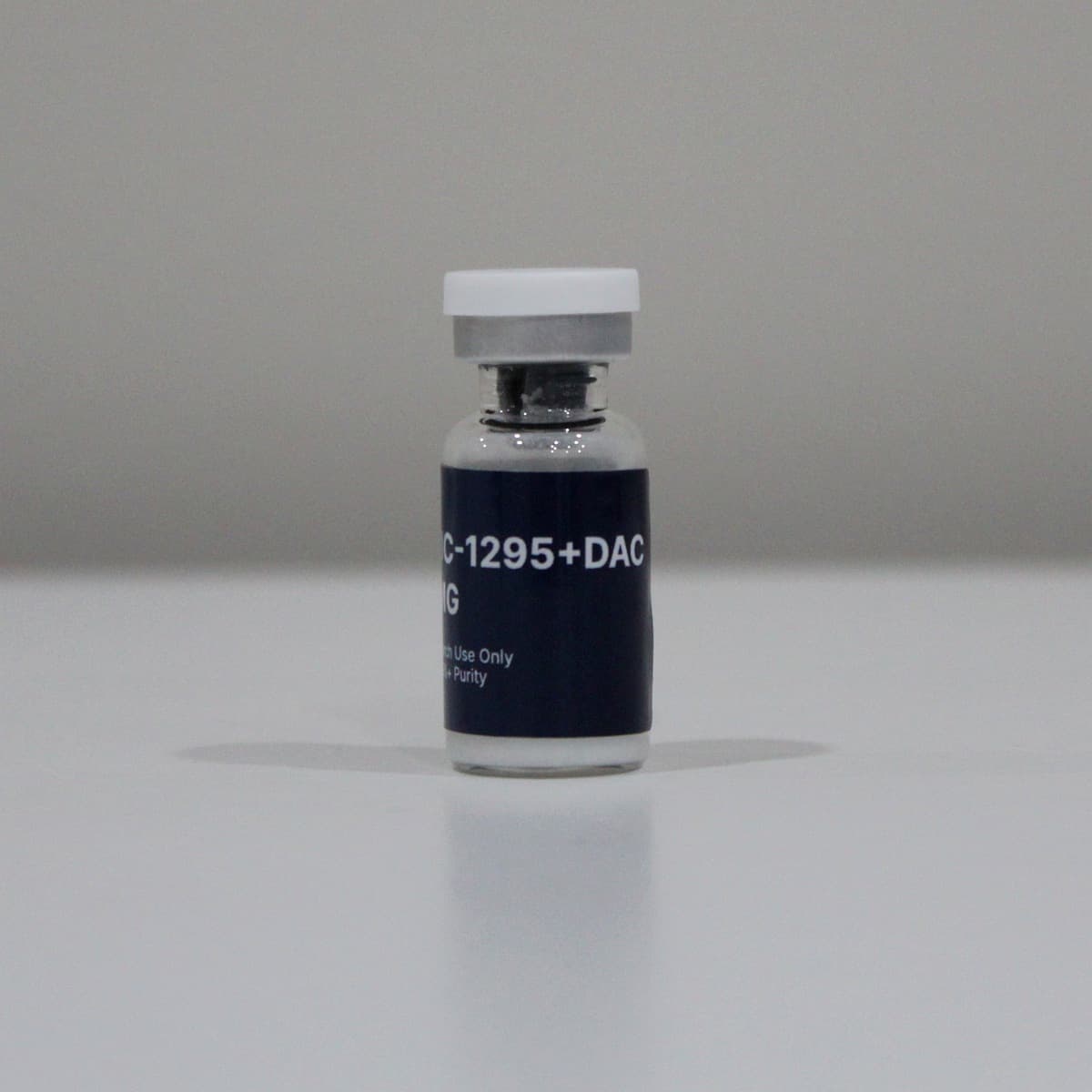
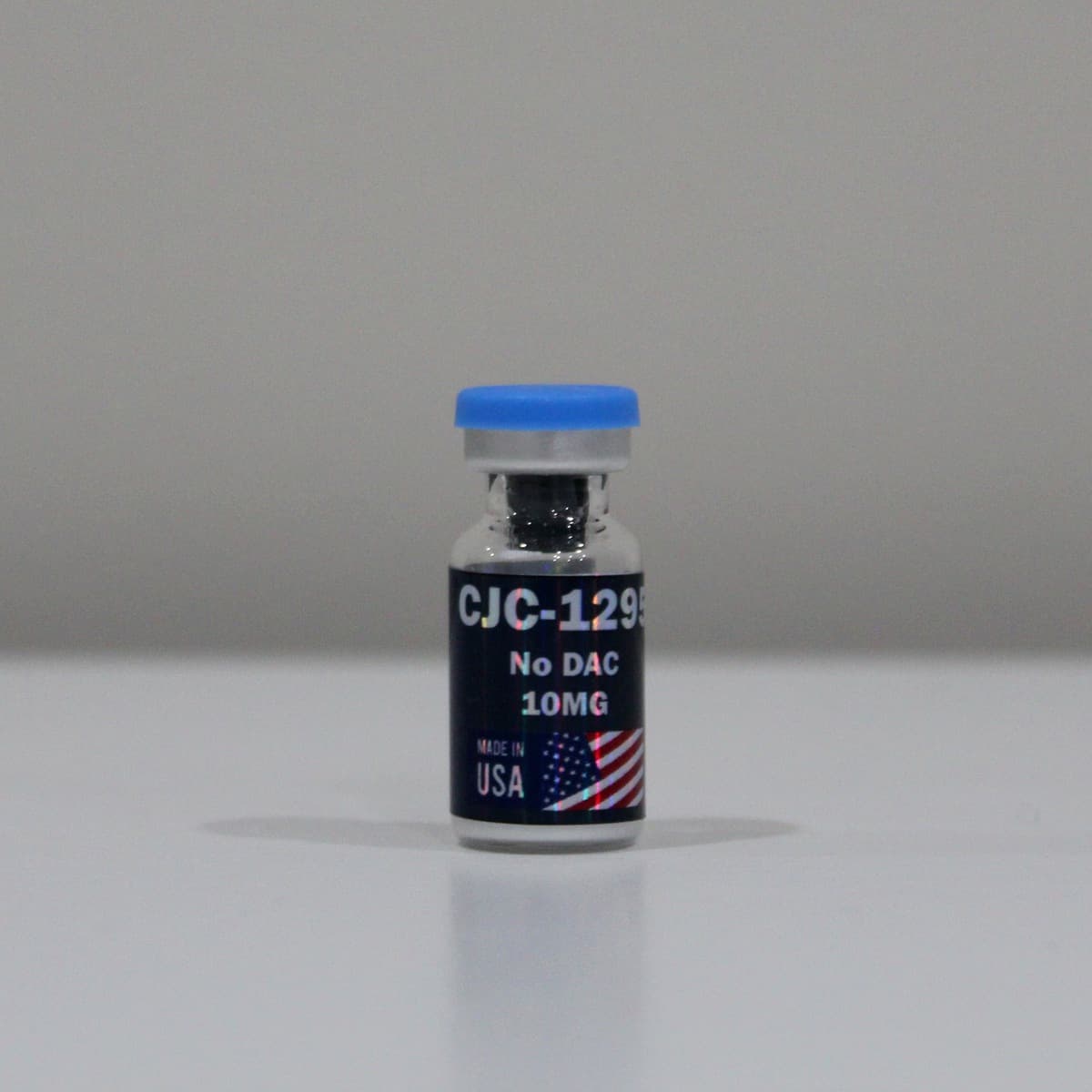
CJC-1295 No DAC Modified GHRH analog GHRHR (Gs-coupled GPCR) Anterior pituitary somatotrophs 30-60 min Broader, sustained GH elevation
Ipamorelin GHRP (ghrelin mimetic) GHSR-1a (Gq-coupled GPCR) Pituitary + hypothalamus 2 hours Selective GH pulse; no ACTH/cortisol
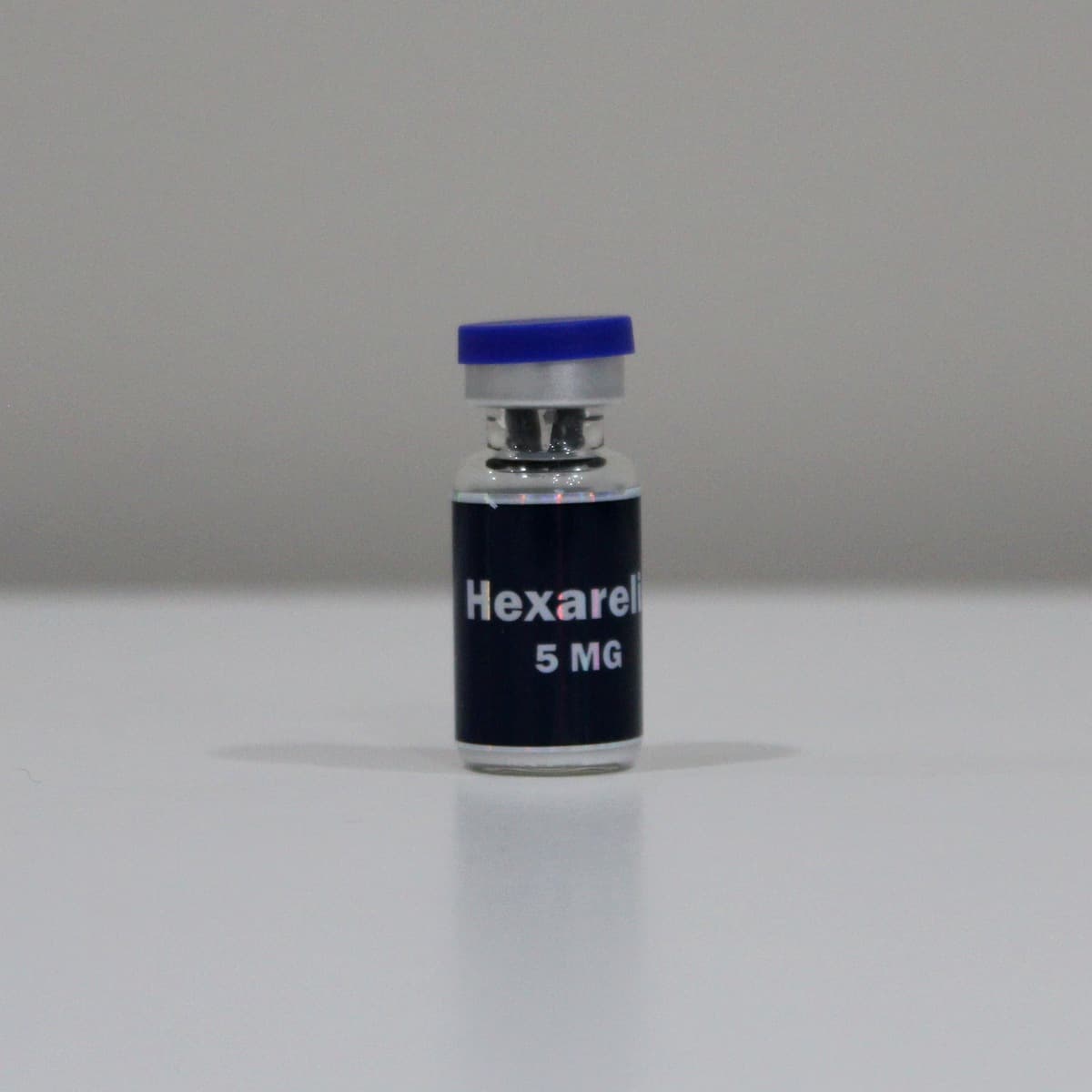
Hexarelin GHRP (hexapeptide) GHSR-1a + CD36 receptor Pituitary + hypothalamus + cardiac tissue 1-2 hours Potent GH pulse; some ACTH/cortisol elevation
GHRP-2 GHRP (hexapeptide) GHSR-1a Pituitary + hypothalamus ~1 hour Strong GH pulse with ACTH/cortisol stimulation
GHRP-6 GHRP (hexapeptide) GHSR-1a Pituitary + hypothalamus ~1 hour Strong GH pulse; appetite stimulation (ghrelin-like)

Sermorelin: Closest to Native GHRH Pulsatility

Sermorelin (GHRH 1-29 NH2) is the 29-amino acid N-terminal fragment of native human GHRH, retaining full GHRHR binding activity while being substantially more metabolically stable than native GHRH (which is cleaved by DPP-IV within minutes). Sermorelin's short half-life of approximately 10-20 minutes means that each administration produces a discrete, time-limited GHRH signal at the pituitary — closely mimicking the pulsatile nature of hypothalamic GHRH release.

This pharmacokinetic profile is both a practical limitation (requires more frequent administration than longer-acting analogs) and a research advantage for studies examining GH axis dynamics. Sermorelin-stimulated GH pulses preserve pituitary somatotroph responsiveness because GHRHR resensitizes between doses — unlike sustained GHRH receptor stimulation, which can produce receptor downregulation over time. The detailed comparison of Sermorelin versus CJC-1295 in research contexts is covered in the Sermorelin vs. Ipamorelin research comparison.

CJC-1295 No DAC: Extended GHRH Activity

CJC-1295 No DAC incorporates several amino acid substitutions relative to native GHRH(1-29) that resist DPP-IV cleavage (particularly at the Ala2 position, which is replaced to prevent the primary degradation site from being recognized) and improve resistance to general plasma proteases. These modifications extend the half-life to approximately 30-60 minutes in rodents, producing more sustained GHRH receptor occupancy and a broader GH secretory window per administration compared to Sermorelin.

The extended half-life of CJC-1295 No DAC makes it more practical for research protocols where once-daily or twice-daily dosing is preferred over multiple daily administrations. However, the longer duration of GHRH receptor occupancy reduces the pulsatile sharpness of GH release, which may matter in studies where GH pulse characteristics (amplitude, width, interpulse interval) are primary outcome measures. The CJC-1295 DAC vs. No DAC distinction is explored in detail in the CJC-1295 DAC vs. No DAC comparison article.

Ipamorelin: The Selective GHRP

Ipamorelin occupies a distinct mechanistic position in the GH axis research toolkit because it acts through GHSR-1a rather than GHRHR. As discussed above, GHSR-1a activation amplifies GH release through both direct pituitary effects (Ca²+ mobilization in somatotrophs) and indirect hypothalamic effects (increased GHRH release, reduced somatostatin tone). Ipamorelin's distinguishing feature within the GHRP class is its selectivity: unlike GHRP-2 and GHRP-6, which stimulate ACTH and cortisol release alongside GH, Ipamorelin produces GH release with minimal effect on other pituitary hormones at standard research doses. This selectivity was demonstrated by Raun et al. in 1998 and has been consistently replicated, making Ipamorelin the reference GHRP for studies where hormonal specificity is required.

The combination of Ipamorelin with CJC-1295 or Sermorelin exploits the synergy between GHSR-1a and GHRHR pathways described earlier. The best GH secretagogue research stacks 2026 overview and the Ipamorelin + CJC-1295 combination article cover this combination research in detail.

Hexarelin: Potent GHRP with Additional Cardiac Receptor Activity

Hexarelin (His-D-2-Me-Trp-Ala-Trp-D-Phe-Lys-NH2) is a potent GHRP-6 analog with high affinity for GHSR-1a — producing among the most robust GH secretion responses of any synthetic GHRP in rodent models. However, Hexarelin is less selective than Ipamorelin: at doses producing equivalent GH release, it also stimulates ACTH and cortisol to a greater degree, which complicates interpretation of results in studies where GH-specific effects need to be isolated.

Hexarelin's most scientifically distinctive feature beyond its GH axis effects is its high-affinity binding to CD36 — a scavenger receptor expressed on cardiomyocytes, macrophages, and other cells — through which it exerts direct cardioprotective effects independent of its GH-releasing activity. This CD36-mediated cardioprotection has been studied in models of myocardial ischemia-reperfusion injury, making Hexarelin relevant to cardiovascular research independently of the GH axis. The Hexarelin research profile provides comprehensive detail on these mechanisms.

Age-Related GH Axis Decline: The Somatopause

One of the most significant research motivations for studying GH secretagogues is the well-documented decline in GH axis activity that accompanies normal aging — a phenomenon called the somatopause, analogous to the menopause (declining estrogen) and andropause (declining testosterone) that characterize age-related hormonal change in other axes.

The somatopause is characterized by reductions in GH pulse amplitude (rather than pulse frequency, which is less affected), declining IGF-1 levels, and reduced pituitary somatotroph reserve. These changes correlate with the body composition shifts of aging — declining lean mass (sarcopenia), increasing adiposity, reduced bone density — as well as with reduced exercise capacity, impaired tissue repair, and altered metabolic function. The somatopause-body composition relationship has motivated extensive preclinical research using GH secretagogues to examine whether restoring GH/IGF-1 levels in aged animals can reverse or slow these changes.

In aged rodent models, both GHRH analogs and GHRPs have been shown to restore some degree of GH pulsatility and raise circulating IGF-1 levels toward younger-animal ranges. The body composition effects in these models generally include preservation of lean mass, reduced adiposity, and improved tissue repair capacity — consistent with the known anabolic and lipolytic effects of GH/IGF-1 signaling.

Somatostatin: The Underappreciated Axis Component

Research on GH axis secretagogues often focuses heavily on the stimulatory (GHRH, ghrelin) inputs while underemphasizing somatostatin's regulatory role — a gap that limits complete understanding of combination research results.

Somatostatin tone increases with aging in rodents, contributing to the reduced GH pulse amplitude of the somatopause. Research suggesting that GHSR-1a agonism reduces somatostatin release may partly explain why GHRPs produce disproportionately large effects in aged animals — where elevated somatostatin tone creates a larger buffer for disinhibition. Research protocols that measure somatostatin levels alongside GH and GHRH provide more mechanistic insight into secretagogue action than those measuring GH alone.

Frequently Asked Questions

What is the difference between a GHRH analog and a GHRP?

GHRH analogs (like Sermorelin and CJC-1295 No DAC) bind and activate the GHRH receptor (GHRHR) on pituitary somatotrophs, mimicking the hypothalamic GHRH signal that triggers GH secretion. GHRPs (like Ipamorelin and Hexarelin) bind and activate GHSR-1a (the ghrelin receptor), which acts through a distinct Gq-coupled calcium signaling pathway to stimulate GH release and also modulates somatostatin tone at the hypothalamic level. The two classes target different receptors and signaling pathways, which is why combining them produces synergistic rather than simply additive GH release.

Why is GH secretion pulsatile rather than continuous?

Pulsatile GH secretion is physiologically important because GH receptors respond differently to pulsatile versus continuous GH exposure. Pulsatile patterns preserve receptor sensitivity, maintain the sex-specific hepatic gene expression pattern driven by GH (which depends on distinct pulse characteristics in males versus females), and prevent the desensitization and downregulation of GH receptor that occurs with chronic continuous GH exposure. The pulsatile architecture is maintained by the reciprocal oscillation of GHRH and somatostatin neurons in the hypothalamus.

Does IGF-1 provide feedback to the hypothalamus and pituitary?

Yes — IGF-1 provides negative feedback to both the hypothalamus (inhibiting GHRH secretion and stimulating somatostatin release) and the pituitary (directly inhibiting GH secretion from somatotrophs by reducing somatotroph responsiveness to GHRH). GH itself also provides short-loop feedback at the hypothalamus, stimulating somatostatin and inhibiting GHRH — a direct GH auto-feedback mechanism that helps terminate each GH pulse. These multilevel feedback mechanisms mean that exogenous GH secretagogue use in research protocols must account for feedback-induced changes in endogenous axis activity when interpreting results.

What are the primary outcomes measured in GH secretagogue research protocols?

Primary GH axis outcome measures include: peak plasma GH concentration and pulse amplitude (from serial blood sampling), plasma IGF-1 levels (integrated GH axis activity marker), pituitary GH mRNA and protein content (reflecting somatotroph reserve), body composition changes (lean/fat mass by EchoMRI), and in longer protocols, grip strength, bone density (by micro-CT), and tissue histology. Secondary outcomes often include other hormonal parameters (ACTH, cortisol — particularly important with less selective GHRPs), liver gene expression (for GH-pattern-sensitive hepatic genes), and metabolic parameters (glucose, insulin, lipids) given GH's metabolic effects.

What is GHSR-1a's constitutive activity and why is it relevant to research?

GHSR-1a has unusually high constitutive (ligand-independent) activity — approximately 50% of maximum signal even in the absence of ghrelin. This means that GHSR-1a inverse agonists (which reduce constitutive activity) would be expected to reduce GH release below baseline levels, while neutral antagonists (which block agonist binding without affecting constitutive activity) would have intermediate effects. This constitutive activity also means that receptor expression level strongly influences GH axis tone — tissues or animals with more GHSR-1a expression will have higher basal GH axis activity. Researchers studying GHSR-1a pharmacology should characterize whether their test compounds are agonists, neutral antagonists, or inverse agonists, as the functional readout differs substantially among these modes.


Peer-Reviewed Citations

  1. Kojima M, Hosoda H, Date Y, Nakazato M, Matsuo H, Kangawa K. "Ghrelin is a growth-hormone-releasing acylated peptide from stomach." Nature. 1999;402(6762):656-660.
  2. Raun K, Hansen BS, Johansen NL, et al. "Ipamorelin, the first selective growth hormone secretagogue." European Journal of Endocrinology. 1998;139(5):552-561.
  3. Tannenbaum GS, Bowers CY. "Interactions of growth hormone secretagogues and growth hormone-releasing hormone/somatostatin." Endocrine. 2001;14(1):21-27.
  4. Giustina A, Veldhuis JD. "Pathophysiology of the neuroregulation of growth hormone secretion in experimental animals and the human." Endocrine Reviews. 1998;19(6):717-797.
  5. Fairhall KM, Mynett A, Robinson IC. "Central effects of growth hormone-releasing hexapeptide (GHRP-6) on GH release are inhibited by central somatostatin action." Journal of Endocrinology. 1995;144(3):555-560.

Final Disclaimer: All compounds discussed are research chemicals not approved by the FDA for human or veterinary use. All content here is for scientific and educational reference only. Palmetto Peptides sells these products exclusively for in vitro and preclinical laboratory research.


Authored by the Palmetto Peptides Research Team | Last Updated: May 14, 2026

More Research Articles