Palmetto Peptides
Research Grade QualityFast USPS Priority ShippingBPC-157 · TB-500 · Semaglutide · TirzepatidePremium Peptide StacksThird-Party Tested · COA Verified · Research GradeMade in the USAResearch Grade QualityFast USPS Priority ShippingBPC-157 · TB-500 · Semaglutide · TirzepatidePremium Peptide StacksThird-Party Tested · COA Verified · Research GradeMade in the USA

Sourcing High-Purity CJC-1295 with DAC for Research: What Laboratories Need to Know

Palmetto Peptides Research Team
May 18, 2026
cjc-1295cjc-1295-dacsourcingresearch-peptidesquality

Research Notice: This article covers research topics relevant to CJC-1295 with DAC — available from Palmetto Peptides for laboratory use only.


DISCLAIMER: This article is for educational and scientific research reference purposes only. All compounds discussed are not approved by the FDA for use in humans or animals. All data discussed here reflects preclinical animal research or laboratory use. Palmetto Peptides sells these compounds exclusively for in vitro and preclinical laboratory research. Nothing in this article constitutes medical advice.


Sourcing High-Purity CJC-1295 with DAC for Research: What Laboratories Need to Know

Last Updated: May 18, 2026 | Reading Time: Approximately 10 minutes | Author: Palmetto Peptides Research Team


Quick Answer

Research-grade CJC-1295 with DAC should meet a minimum purity threshold of 98% as verified by HPLC, with molecular identity confirmed by mass spectrometry. A legitimate supplier provides a Certificate of Analysis (COA) that includes the actual HPLC chromatogram, mass spec data, and lot-specific results — not generic certificates. For in vivo animal studies, endotoxin levels should also be verified. Red flags include suppliers who cannot provide COAs, show generic non-lot-specific documentation, or whose mass spec data does not match the expected molecular weight of CJC-1295 with DAC (approximately 3647 Da).


Why Sourcing Decisions Directly Affect Research Quality

The integrity of any preclinical research study depends on using compounds that are what they claim to be, at the purity level required to produce reliable results. For a research peptide as structurally complex as CJC-1295 with DAC — with its specific amino acid modifications, reactive DAC linker, and 30-amino-acid backbone — there is substantial opportunity for synthetic errors, degradation products, and contaminants to compromise a preparation without being visible to the naked eye.

A low-purity or misidentified CJC-1295 with DAC preparation can produce any of the following outcomes in research:

  • Attenuated GH and IGF-1 responses in animal models, leading researchers to incorrectly conclude that a research protocol or combination failed to produce the expected effect
  • Unexpected biological effects in research subjects caused by peptide impurities or synthesis byproducts
  • Immune responses in animal subjects triggered by endotoxin contamination or misfolded peptide fragments
  • Complete failure of the compound to bind albumin (if the DAC linker was damaged or absent during synthesis), resulting in very short half-life and fundamentally different pharmacokinetics than intended

These outcomes represent not just wasted laboratory resources but potentially years of misdirected research effort based on data generated with substandard materials. The investment in proper sourcing verification is negligible compared to these costs.

Understanding the Certificate of Analysis (COA)

The Certificate of Analysis is the primary quality document that researchers should request and scrutinize before purchasing CJC-1295 with DAC from any supplier. A legitimate, research-grade COA is a lot-specific document — meaning it contains analytical results generated from the specific production batch you are purchasing, not generic results from a different lot or a different compound.

What a Proper COA Should Include

COA ElementWhat to Look ForRed Flag
Lot/batch numberUnique identifier that matches the vial labelNo lot number or generic batch ID
HPLC purity resultActual numeric value (e.g., 98.7%) with chromatogramJust says "meets specification" without number
Mass spectrometry dataObserved MW matching expected ~3647 Da for CJC-1295 with DACMissing MS data entirely
Peptide contentStated mg per vial; consistent with labeled amountStated as percentage only without absolute quantity
Water contentKarl Fischer water content listed (lyophilized peptides retain some moisture)No moisture data provided
Endotoxin levelLAL assay result in EU/mg or EU/mLMissing for any compound intended for in vivo animal research
Test dateRecent date consistent with stated shelf lifeNo date or date inconsistent with claimed lot

HPLC Purity Verification: What the Numbers Mean

High-performance liquid chromatography (HPLC) is the gold-standard analytical method for peptide purity assessment. In a reverse-phase HPLC analysis of CJC-1295 with DAC, the compound is separated from any related impurities by passing the sample through a column packed with hydrophobic stationary phase while gradually increasing the proportion of organic solvent in the mobile phase. The detector (typically UV at 220 nm, which detects the peptide bond) measures how much material elutes at each time point.

Purity is expressed as the percentage of total UV peak area attributable to the main compound peak versus all detected peaks. A value of 98% means that 98% of all UV-absorbing material in the sample is the target compound; the remaining 2% consists of related impurities (truncated peptide sequences, oxidized variants, synthetic byproducts).

For research applications, the industry standard threshold is 98% or greater. Compounds below this threshold contain meaningful levels of impurities that can:

  • Produce off-target biological activity in research subjects
  • Compete with the target compound for receptor binding, diluting the intended pharmacological effect
  • Trigger immune responses in sensitive animal models
  • Confound data interpretation

For more detail on analytical methods and purity benchmarks, see our dedicated article on CJC-1295 with DAC purity standards and quality control.

Mass Spectrometry Identity Verification

HPLC tells you how pure a compound is, but mass spectrometry (MS) tells you what that compound actually is. These are complementary analyses — a sample could show 99% HPLC purity but actually be a different peptide that happens to elute at a similar retention time. MS is the definitive identity confirmation method.

For CJC-1295 with DAC, the expected molecular weight is approximately 3647 Da (the exact value depends on minor lot-to-lot variation and the counterion form). Researchers should confirm that the mass spectrum shows the correct molecular ion — often observed as multiply charged species in electrospray ionization (ESI-MS), the most common MS technique for peptides. The [M+2H]2+ and [M+3H]3+ ions should match calculated values for CJC-1295 with DAC.

A supplier who provides MS data showing a molecular weight significantly different from this range is either supplying a different compound or has misidentified their product. This is not a minor quality concern — it means the compound is not what it is labeled to be.

Endotoxin Testing: Critical for In Vivo Animal Research

Endotoxins are lipopolysaccharide (LPS) fragments shed from the outer membrane of gram-negative bacteria. They are a common contaminant in peptide preparations that are manufactured without rigorous aseptic controls. Even at very low concentrations, endotoxins trigger potent inflammatory responses when introduced into living animals — including fever, altered immune cell activity, cytokine release, and changes in GH and IGF-1 signaling that can profoundly confound preclinical growth hormone research.

The Limulus Amebocyte Lysate (LAL) assay is the standard method for endotoxin quantification. For research peptides intended for in vivo animal studies, endotoxin levels should be below 1 EU/mg (endotoxin units per milligram of peptide) at minimum, with below 0.1 EU/mg being preferable for studies measuring inflammatory-sensitive endpoints.

Any supplier who cannot provide endotoxin test results for a peptide intended for in vivo animal research is not meeting the basic quality standards of the research peptide field.

Red Flags in Research Peptide Sourcing

The research peptide market contains a wide range of suppliers with very different levels of analytical rigor. The following are reliable indicators that a supplier's products may not meet research-grade standards:

  • No COA available: The most basic disqualifier. Any supplier unwilling or unable to provide a Certificate of Analysis is not operating at research-grade standards.
  • Generic COAs not specific to the lot: A COA that shows the same test results across multiple lots, or that lacks a specific lot number matching the product being sold, is likely fabricated or borrowed from a different product.
  • HPLC purity listed without a chromatogram: The number without the trace is unverifiable. Legitimate suppliers provide the actual chromatogram image or file, not just the reported percentage.
  • Missing mass spectrometry data: Without MS confirmation, purity data alone cannot confirm that the compound is correctly identified.
  • Suspiciously low pricing: Genuine research-grade CJC-1295 with DAC with proper analytical documentation costs significantly more to produce than unverified material. Prices dramatically below the market range for documented research-grade peptides often reflect lower quality controls.
  • Claims of human efficacy: Any supplier making explicit or implied claims about the compound's effects in humans (growth, recovery, body composition) is not operating within the legal framework for research peptide suppliers. Such claims suggest the supplier is marketing to non-research consumers and may have lower standards across the board.
  • No third-party testing: While supplier-generated COAs are standard, reputable suppliers in the research peptide space often commission testing from independent analytical laboratories. The presence of third-party verification is a positive quality indicator.

What to Look for in a Research-Grade Supplier

The positive attributes of a trustworthy CJC-1295 with DAC supplier include:

  • Transparent lot-specific COAs: Provided before or at the time of purchase, with all the elements described above.
  • HPLC chromatogram images: Downloadable or viewable with clear baseline resolution of the main peak from any impurity peaks.
  • Mass spectrometry confirmation: Consistent with the known molecular weight of CJC-1295 with DAC.
  • Endotoxin test results: For in vivo-grade preparations.
  • Clear research-only labeling: Products sold for research use should be clearly labeled as such, without any language implying or encouraging human use.
  • Verifiable contact information: A legitimate research supplier operates as an identifiable business with traceable contact information, not anonymously.
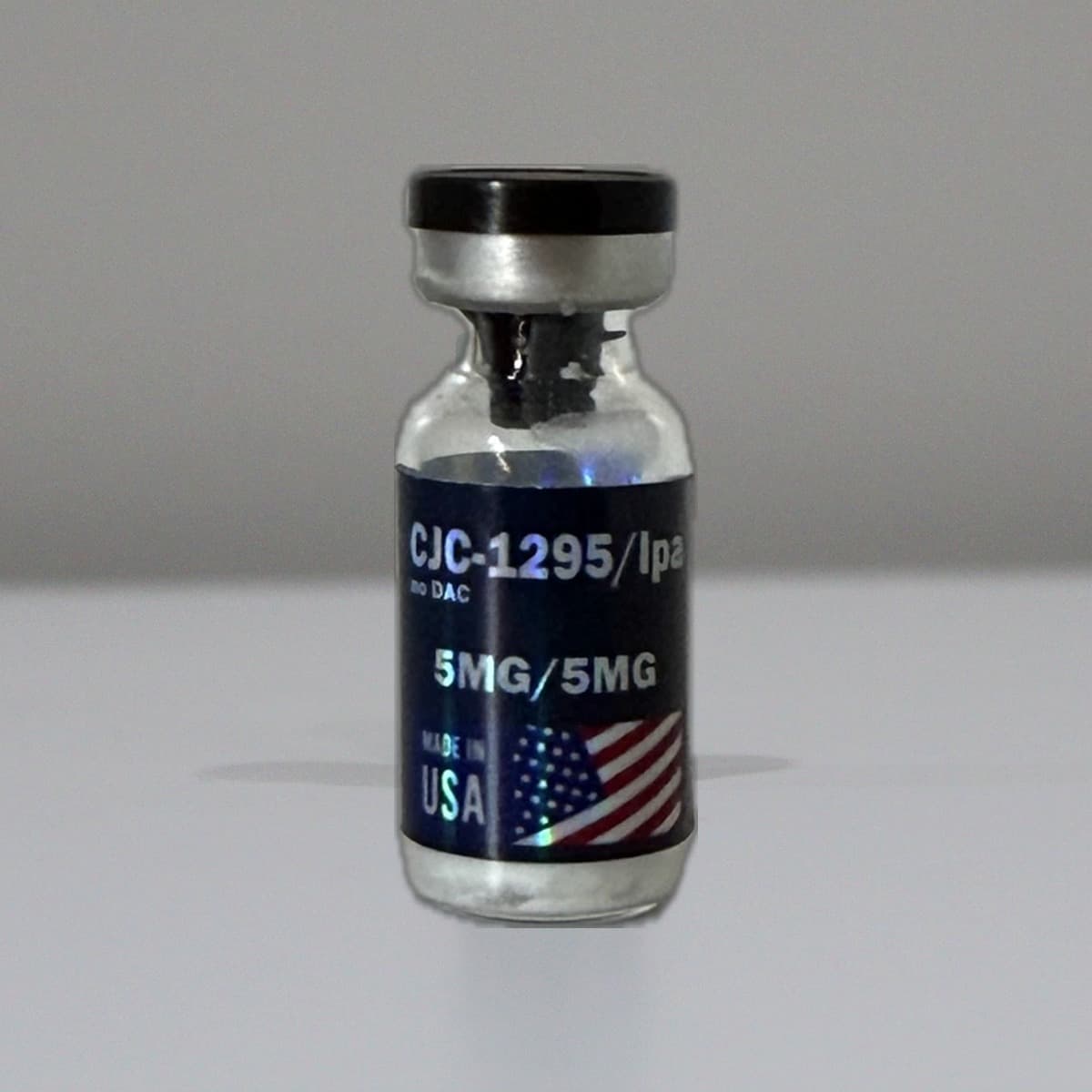
  • Consistent product format: Research-grade CJC-1295 with DAC should always arrive as a lyophilized powder in a sealed vial, not as a pre-made liquid solution (which has much shorter stability and raises sterility concerns).

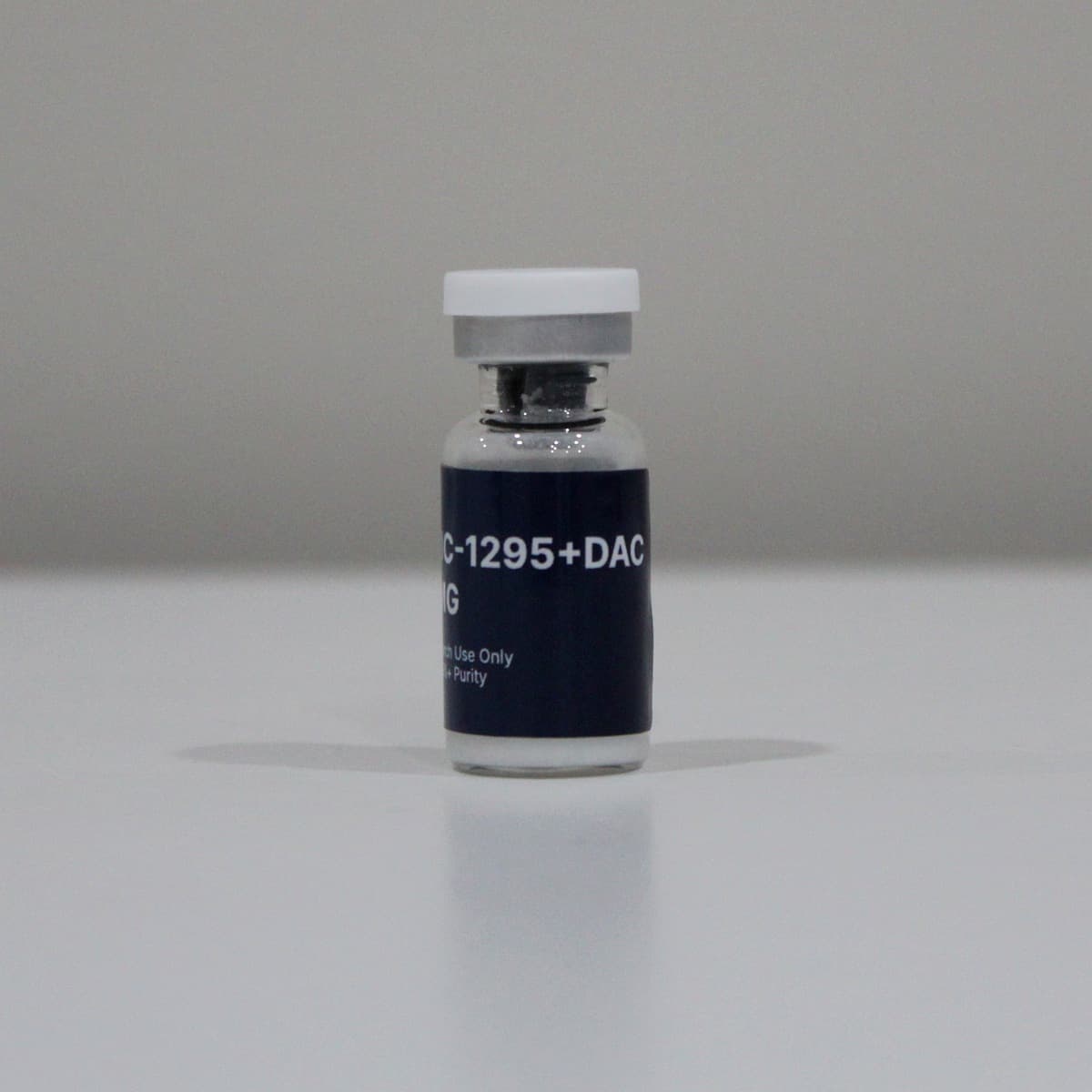
Palmetto Peptides provides all of the above for our research compounds. CJC-1295 with DAC is accompanied by a COA with HPLC purity and MS identity verification for each lot. Bacteriostatic water for reconstitution is also available.

Regulatory Context for Research Peptide Procurement

CJC-1295 with DAC is not approved by the FDA or any equivalent regulatory agency for therapeutic use in humans or animals. In the United States, research peptides occupy a regulatory gray area: they can be lawfully manufactured and sold for legitimate in vitro and preclinical research purposes but cannot be sold with implied or explicit claims for human therapeutic use. Laboratories procuring CJC-1295 with DAC should ensure their purchase is documented as being for research purposes and that the compound is used only within the laboratory research context.

For a comprehensive understanding of CJC-1295 with DAC as a research compound, see the complete guide to CJC-1295 with DAC. For information on the compound's history and regulatory trajectory, see our article on the history and development of CJC-1295 with DAC.


Frequently Asked Questions

What minimum purity level is acceptable for research-grade CJC-1295 with DAC?

The research-grade standard for CJC-1295 with DAC purity is 98% or greater by HPLC. Compounds below this threshold contain meaningful levels of impurities that can produce off-target biological effects, interfere with receptor binding, or trigger immune responses in animal research subjects. For the most sensitive research applications, particularly in vivo immunogenicity studies, higher purity thresholds are preferable.

What is the expected molecular weight of authentic CJC-1295 with DAC?

The expected molecular weight of CJC-1295 with DAC is approximately 3647 Da (3647 g/mol). This value should be confirmed by mass spectrometry data provided in the supplier's Certificate of Analysis. Significant deviations from this value indicate a misidentified or contaminated compound.

Why is endotoxin testing important for research peptides?

Endotoxins from bacterial contamination trigger potent inflammatory responses in living animals, confounding any research endpoint that involves inflammatory pathways, immune function, or cytokine-sensitive processes. For growth hormone research specifically, endotoxin-induced inflammation can directly alter GH and IGF-1 signaling, making experimental data from contaminated preparations uninterpretable.

Should researchers request third-party COAs rather than supplier-generated ones?

Third-party COAs from independent analytical laboratories provide an additional layer of verification beyond what the supplier generates themselves. While supplier COAs are standard and acceptable, the availability of third-party analytical documentation is a positive indicator of a supplier's commitment to quality. Researchers can also independently verify peptide identity and purity by sending a sample to an external analytical chemistry laboratory if there is any concern about a lot's quality.

What is the difference between research-grade and clinical-grade peptides?

Clinical-grade peptides are manufactured under GMP (Good Manufacturing Practice) regulations with extensive documentation, validated processes, and regulatory approval for human administration. Research-grade peptides are manufactured to high analytical standards (typically 98%+ HPLC purity with MS verification) for laboratory research use, but without the full regulatory infrastructure of GMP manufacturing. For more detail, see our article on research-grade versus clinical-grade peptides.

Can research labs use any supplier for CJC-1295 with DAC?

Technically, any supplier can be used, but the quality of research data depends entirely on the quality of the compounds used. Laboratories with institutional review requirements, animal care committee oversight, or publication objectives should use suppliers who provide complete analytical documentation that can be cited in research publications or provided to oversight committees.

What is the shelf life of research-grade CJC-1295 with DAC from a reputable supplier?

Lyophilized CJC-1295 with DAC from a reputable supplier, stored at -20°C, should have a shelf life of 24 to 36 months. Suppliers should provide an explicit expiration date on the vial label consistent with this stability profile. For reconstituted solutions, stability is 28 to 30 days at 2 to 8°C when using bacteriostatic water.


Peer-Reviewed Citations

  1. Jetté L, Léger R, Thibaudeau K, et al. Human growth hormone-releasing factor (hGRF)1-29-albumin bioconjugates activate the GRF receptor on the anterior pituitary in rats. Endocrinology. 2005;146(7):3052-3058. doi:10.1210/en.2004-1624
  2. USP 41-NF 36. Bacterial Endotoxins Test. United States Pharmacopeia and National Formulary. U.S. Pharmacopeial Convention; 2018.
  3. Mant CT, Hodges RS. High-Performance Liquid Chromatography of Peptides and Proteins: Separation, Analysis, and Conformation. CRC Press; 1991.
  4. Teichman SL, Neale A, Lawrence B, et al. Prolonged stimulation of growth hormone (GH) and insulin-like growth factor I secretion by CJC-1295. Journal of Clinical Endocrinology and Metabolism. 2006;91(3):799-805. doi:10.1210/jc.2005-1536
  5. Manning MC, Chou DK, Murphy BM, Payne RW, Katayama DS. Stability of protein pharmaceuticals: an update. Pharmaceutical Research. 2010;27(4):544-575. doi:10.1007/s11095-009-0045-6

Final Disclaimer: All compounds discussed are research chemicals not approved by the FDA for human or veterinary use. All content here is for scientific and educational reference only. Palmetto Peptides sells these products exclusively for in vitro and preclinical laboratory research.


Authored by the Palmetto Peptides Research Team | Last Updated: May 18, 2026

More Research Articles