Anti-Inflammatory & Gut Health Research · COA Verified
For research and laboratory use only. Not for human consumption. By purchasing, you confirm you are a qualified researcher.
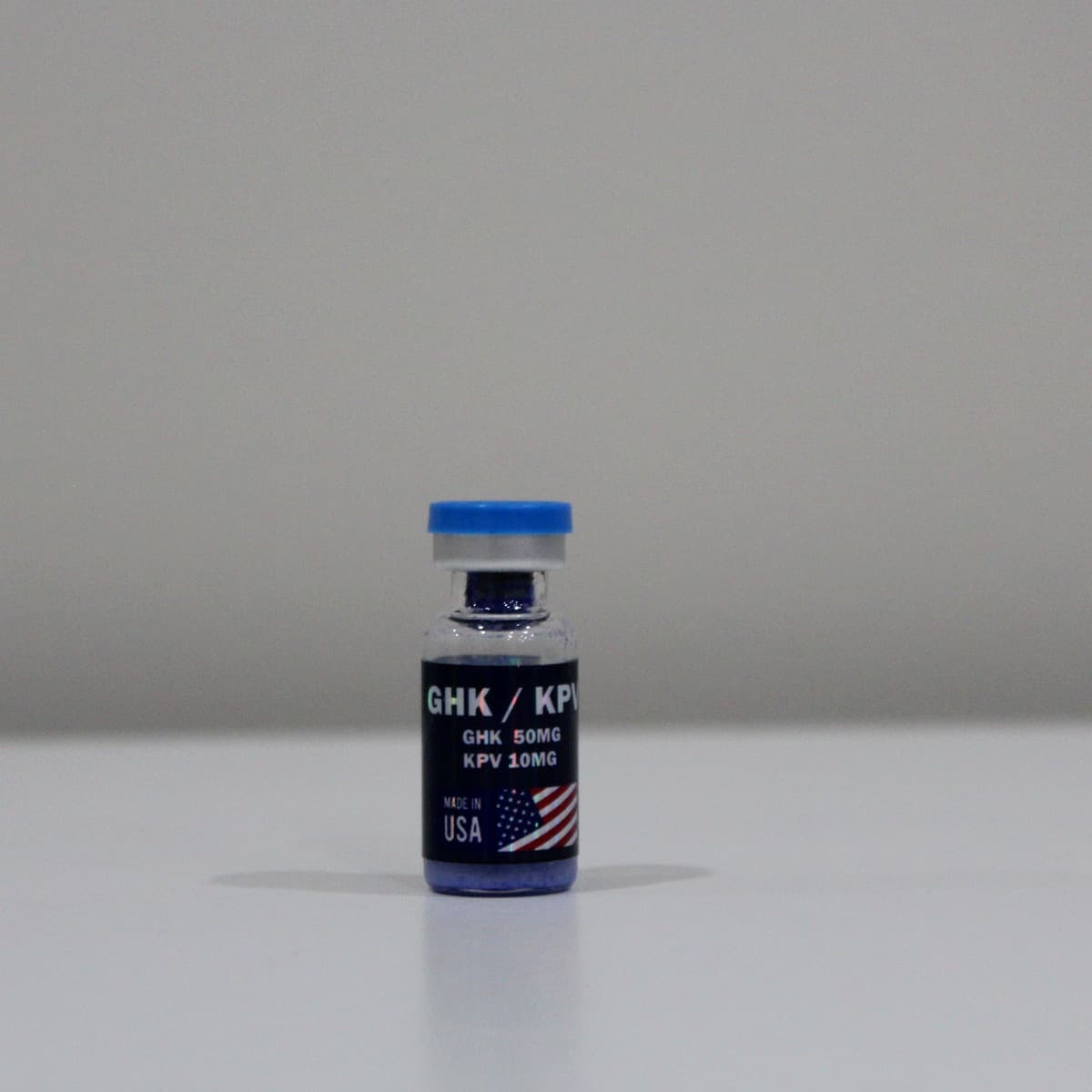
This is part of the GHK-Cu + BPC-157 + TB-500 + KPV KLOW Stack 80 mg Research Peptide Blend (50mg/10mg/10mg/10mg)
Save $71.00 by getting the full stack instead of this item alone.
For Research Purposes Only. Not approved for human consumption.
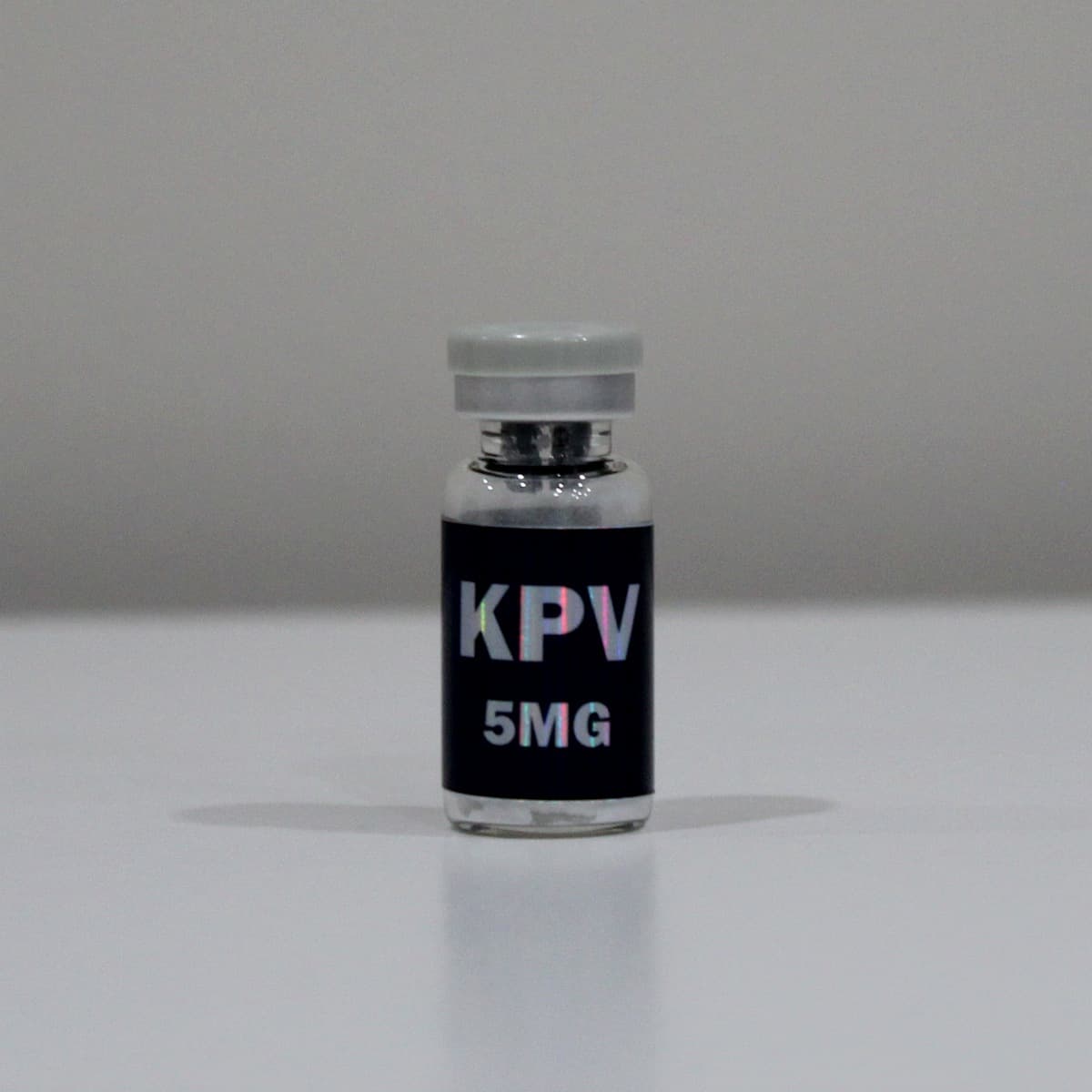
KPV (Lys-Pro-Val) is a C-terminal tripeptide fragment of alpha-melanocyte stimulating hormone (alpha-MSH) that retains its potent anti-inflammatory properties. KPV binds melanocortin receptors (MC1R, MC3R) and inhibits NF-kB nuclear translocation — a central inflammatory signaling pathway. Its small size (3 amino acids) allows cellular penetration that larger peptides cannot achieve, making it particularly effective in gastrointestinal and skin inflammation research models.
Q: How does KPV exert anti-inflammatory effects?
A: KPV binds melanocortin receptors MC1R and MC3R and inhibits NF-kB nuclear translocation — preventing transcription of pro-inflammatory cytokines including TNF-alpha, IL-1beta, and IL-6.
Q: Why is KPV particularly effective in gut research?
A: Its small tripeptide structure allows intestinal cellular penetration that larger peptides cannot achieve. Research has shown direct effects on intestinal epithelial cells and colonocytes.
Q: How does KPV relate to alpha-MSH?
A: KPV represents the C-terminal tripeptide (positions 11-13) of alpha-MSH. Research suggests this region is primarily responsible for alpha-MSH's anti-inflammatory activity.
Related Research: GHK-Cu + KPV Blend
For laboratory research use only. Not for human consumption. Not evaluated by the FDA.