Mitochondrial Research · COA Verified
For research and laboratory use only. Not for human consumption. By purchasing, you confirm you are a qualified researcher.
For Research Purposes Only. Not approved for human consumption.
SS-31 (also known as Elamipretide or Bendavia) is a cell-permeable, mitochondria-targeted tetrapeptide (D-Arg-dimethylTyr-Lys-Phe-NH2) that accumulates in the inner mitochondrial membrane based on membrane potential. It binds to cardiolipin, a unique mitochondrial phospholipid, stabilizing mitochondrial structure and function. SS-31 has been extensively studied for its role in protecting mitochondrial function under conditions of oxidative stress, ischemia-reperfusion injury, and aging-related mitochondrial dysfunction.
Q: How does SS-31 target mitochondria?
A: SS-31 is a Szeto-Schiller (SS) peptide with alternating aromatic and basic residues that make it cell-permeable and cause accumulation in mitochondria based on membrane potential (~150-180 mV negative inside).
Q: What is cardiolipin and why does it matter?
A: Cardiolipin is a unique phospholipid found only in mitochondrial inner membranes, essential for oxidative phosphorylation and cristae structure. SS-31 binds cardiolipin, stabilizing mitochondrial architecture.
Q: What distinguishes SS-31 from other mitochondrial peptides?
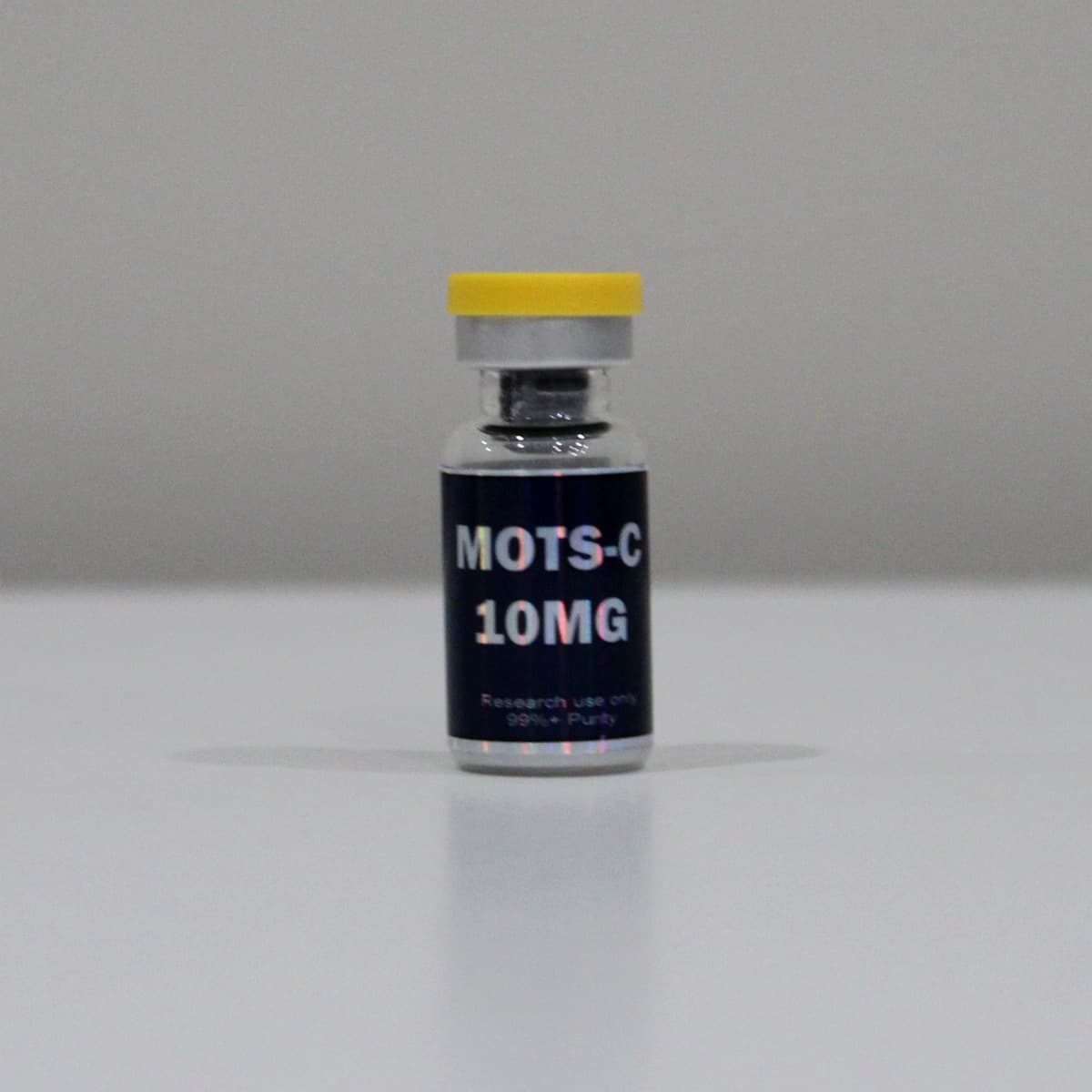
A: Unlike MOTS-C (mitochondria-encoded) or other peptides, SS-31 specifically targets the inner mitochondrial membrane and cardiolipin, offering a unique mechanistic approach to mitochondrial protection research.
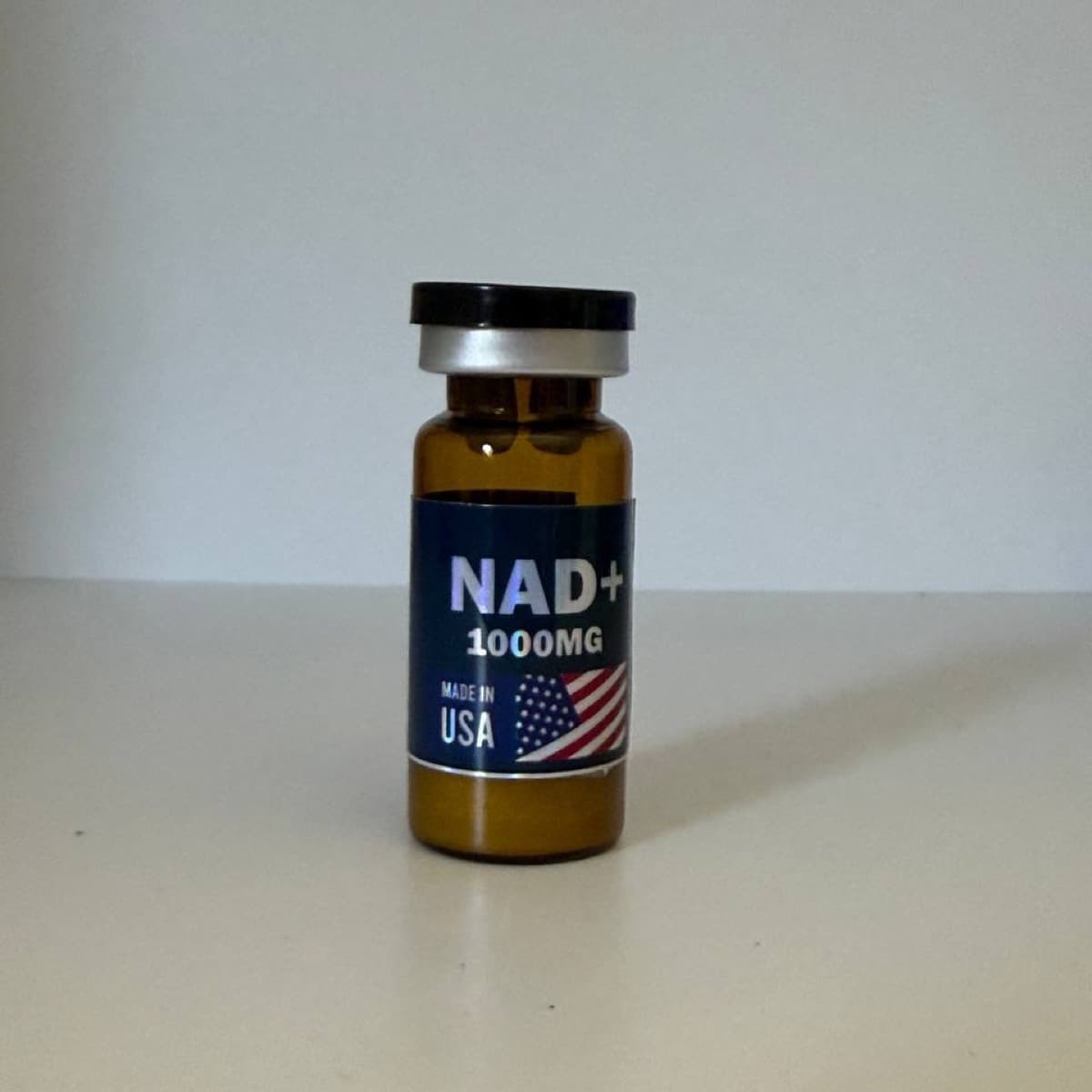
Related Research: MOTS-C Mitochondrial Peptide | NAD+ Cellular Energy
For laboratory research use only. Not for human consumption. Not evaluated by the FDA.